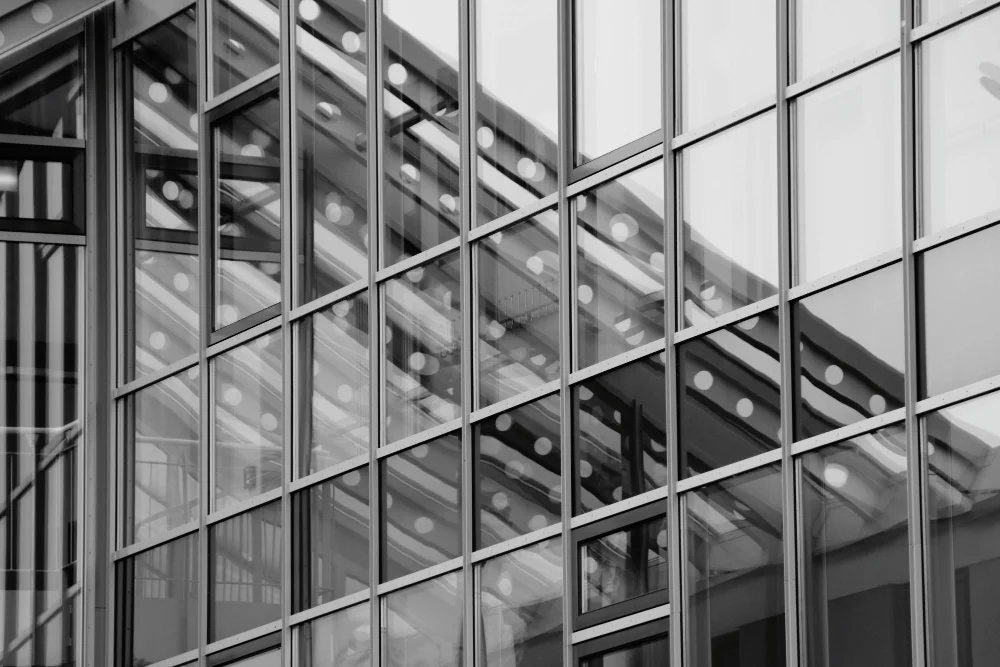
Did you know that over 60% of modern buildings across Dubai and Abu Dhabi use metal channels for framing and interior trim? The wide range of aluminium profile uses in local architecture comes from the metal’s strength against high heat and coastal moisture.
As modern design trends shift toward clean lines, flush edges, and hidden joints, builders rely on precise aluminium extrusion uses to meet strict standards. Whether you build tall towers or renovate villa interiors, knowing key aluminium profile applications ensures lasting quality and fast installation work.
What Are Aluminium Profiles and Extrusions?
Aluminium profiles are metal items that are moulded by forcing hot metal through a steel die. By making different shapes in this way, they remain light, strong, and rust-resistant.
In modern building work, these shapes act as strong support frames, hidden channels, trim pieces, and wall joint gaps. Their flexible nature lets them fit easily into homes, offices, and factories.
Primary Advantages of Aluminium Profiles in Middle Eastern Climates
- Moisture Protection: Resists high humidity, salt air, and heat damage.
- Light Weight: Supports heavy loads without adding extra strain to ceiling grids.
- Heat Resistance: Will not warp, crack, or bend under sudden heat shifts.
- Clean Precision: Creates sharp edges, shadow gaps, and clean trim details.
- Easy Recycling: Reusable metal fits modern green building goal standards.
Top Aluminium Profile Uses in UAE Construction Projects
The construction industry across the region needs materials that bring strength and design choices. Building projects throughout the area feature clear aluminium profile uses across many key stages.
1. Exterior Wall Frames
Tall towers rely on metal profiles to hold heavy glass panels, exterior frames, and wall cladding grids securely in place.
2. Interior Wall and Ceiling Framing
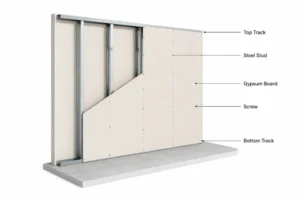
Interior teams use metal tracks and studs to build stable frames for plasterboard walls and acoustic drop ceiling panels.
3. Clean Shadow Line Edges
Modern designs replace wooden baseboards with flush metal gaps. These profiles form sharp lines along floors, walls, and plaster ceilings.
Architectural Aluminium Extrusion Uses for Interior Fit-Outs
Learning specific aluminium extrusion uses helps builders choose the right metal parts for interior trim work, light tracks, and wall joints.
Versatile Applications of Architectural Extrusions
Practical aluminium extrusion uses in modern homes and offices include:
- Creating neat border gaps around gypsum board ceiling panels.
- Making flush connections between tile, wood, and stone floors.
- Holding light strips and air vents securely inside ceiling slots.
- Framing glass wall panels in busy office spaces and hotels.
- Protecting wallboard edges while hiding rough cuts and nails.
Key Aluminium Profile Applications in Modern Gypsum Works
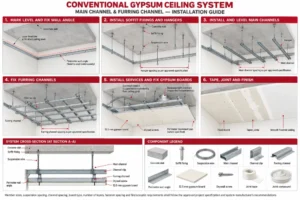
Interior teams choose different aluminium profile applications to improve plasterboard false ceiling builds and drylining partition walls.
Specialized Interior Profile Applications
The most common aluminium profile applications for ceiling and wall projects include:
- Shadow Line Perimeter Angles: Creating floating ceiling effects along wall edges.
- Recessed Channel Strips: Hiding thin LED light strips inside ceiling gaps.
- Control Expansion Joints: Stopping wallboard cracks caused by normal heat movement.
- Corner Protection Beads: Shielding drywall corners from bumps in busy hallways.
- Glazing Base Channels: Anchoring thick glass walls straight into sub-floors.
Modern Shadow Angle and Edge Finishing Solutions
Making clean lines around false ceilings requires special edge profiles built for tight wallboard fittings. Building projects across the region use these metal profiles to get floating ceiling looks without visible screw heads.
The aluminium F Profile is a shadow angle built to form clean 10 mm gaps around gypsum board setups. This shape features a double-leg design that fastens to walls while holding board edges tight. Using an aluminium F Profile removes the need for joint tape along ceiling edges, stopping cracks and creating clean shadow lines.
Step-by-Step Installation Guide for Shadow Gap Profiles
Fitting shadow gap profiles needs straight lines, proper cuts, and strong screws into wall surfaces.
- Mark Wall Height Lines: Use a laser level to mark a straight line across all interior room walls.
- Cut Metal Profiles: Measure walls and cut profile ends at 45-degree angles for neat corner joints.
- Screw Profiles to Walls: Fasten the metal leg to the wall using screws spaced 300 mm apart.
- Insert Wall Boards: Slide plasterboard panels directly into the profile slot for a tight fit.
Maintenance and Care Tips for Aluminium Profiles
- Clean metal surfaces using soft cloths and water mixed with standard liquid soap.
- Avoid strong chemical cleaners that strip or scratch outer protective paint coats.
- Check expansion joints twice a year to ensure dust and debris stay clear.
- Paint over small surface scratches quickly to keep the metal protected.
Conclusion
Selecting proper metal trims and structural frames remains essential for building neat, lasting interior designs. From outer wall grids to interior ceiling gaps, flexible aluminium profile uses help set modern construction standards. Using trusted interior products from Intact Gypsum helps your building projects reach high strength, clean finishes, and lasting quality.
Frequently Asked Questions
1. What are the main aluminium profile uses in UAE interior design?
Metal profiles offer strong rust resistance, clean edges, heat control, and light weight, making them great for humid rooms and modern ceiling designs.
2. How do shadow angle profiles improve gypsum ceiling installations?
Shadow angles create a 10 mm gap that absorbs building shifts, stops cracks, and gives false ceilings a floating look without wood trims.
3. Is powder-coated aluminum extrusion suitable for high-moisture areas?
Yes, tough outer powder coatings protect metal from water and salt air to keep exposed surfaces safe in bathrooms and air-conditioned spaces.
4. Can custom aluminum profiles be integrated with recessed LED lighting systems?
Custom profiles often feature built-in tracks designed to hold light strips, vents, and hidden wires inside plasterboard walls and ceilings.
5. What is the difference between an extrusion and a standard metal profile?
An extrusion means metal formed by pushing hot alloy through a die, while a profile describes any shaped metal piece made by shaping tools.