Are you choosing wall materials for your next build in the Emirates? The UAE construction market is growing fast. This growth drives high demand for strong interior walls and ceilings. Choosing the right types of Gypsum Board keeps your project safe and compliant with local codes.
Different gypsum board types protect walls from high humidity, noise, and fire risks. Drywall systems help workers finish job sites quickly without adding heavy weight to the structure. Knowing key gypsum board uses helps you pick the right board for every room.
Types of Gypsum Board for Modern Projects
Modern builds need panels that handle tough conditions. Rooms have different needs, from basic space dividers to heavy heat shielding. Here are the main types of Gypsum Board used in UAE projects today.
Gypsum Board Selection Matrix
| Board Type | Ideal Application | Core Benefit |
| Regular Gypsum Board | Dry Living Spaces | Low Cost |
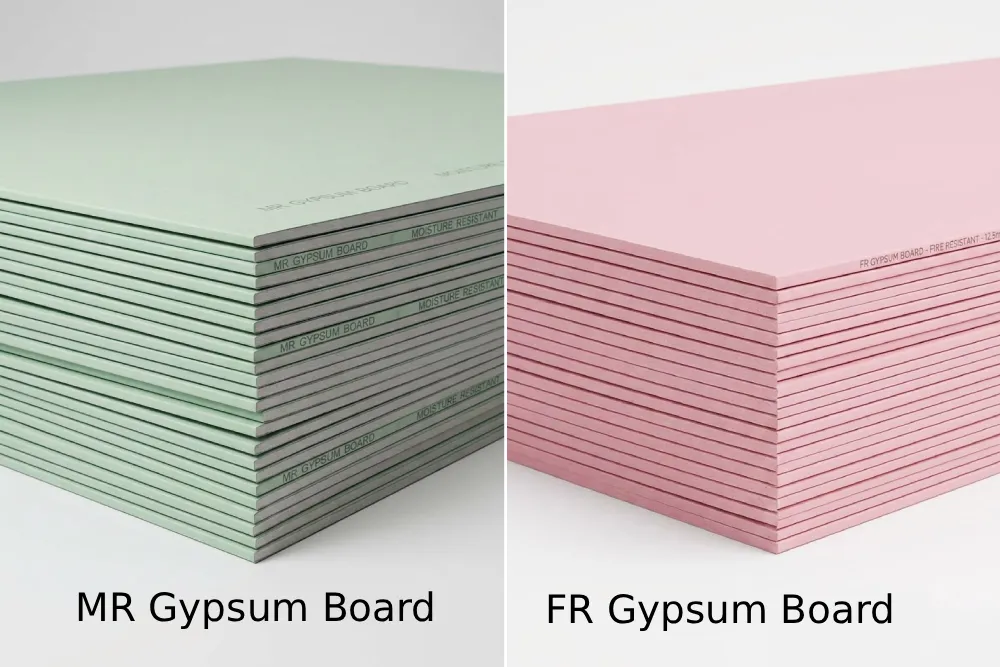
| MR Gypsum Board | Kitchens & Bathrooms | Damp Resistance |
| Fire Rated Gypsum Board | Fire Exit Corridors | High Heat Defense |
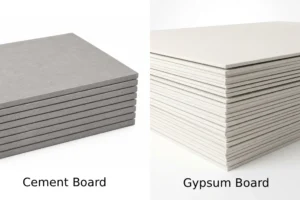
| Cement Board | Exterior & Wet Zone | Strong & Waterproof |
Regular Gypsum Board
Regular gypsum board forms the base of simple drywall builds. It works well for bedroom walls and false ceilings in dry areas. The core has solid plaster wrapped in thick paper liners. This gives you a smooth surface that takes paint or wallpaper easily.
These boards weigh much less than thick concrete block walls. Builders use standard boards in offices and stores where extra water or fire protection is not required.
MR Gypsum Board
Moisture-resistant boards handle damp air in coastal areas and wet rooms. Makers treat the gypsum core with wax or silicone. They also use water-resistant paper on the outside. This stops water from soaking into the board and causing sags.
These sheets work best in home kitchens, bathrooms, and laundry areas. They form a strong backing under wall tiles. This step stops mold growth behind your walls.
Fire Rated Gypsum Board
Fire-rated boards help contractors meet strict safety rules in high-rise towers. Glass fibers inside the core help the panel stay solid during a fire.
When heat hits the panel, it releases trapped water vapor. This action cools the wall and slows heat spread to other rooms. Fire boards are necessary in stairwells, lift shafts, and exit corridors.
Cement Board
Cement board gives extreme strength in spaces with heavy water contact. Makers mix Portland cement, sand, and glass fiber mesh to build these sheets. They contain no paper, so they will not rot, swell, or break down in water.
Contractors use cement panels under tiles in public washrooms and commercial kitchens. They also install them on outside walls and building facings.
How to Select the Right Board Thickness for Your Space
Selecting the right board thickness keeps your walls sturdy and quiet. Standard panels range from 9.5 mm up to 15 mm thick. Each size serves a distinct role in your interior build.
Pick thin 9.5 mm sheets for curved walls and false ceiling features. Choose 12.5 mm panels for basic room dividers and dry living spaces. High-traffic hallways need thick 15 mm boards for extra strength and sound control. Matching panel thickness to room needs prevents wall sagging over time.
Heavy items like televisions or shelves require solid frame mounts behind the drywall. Always check local UAE building codes before ordering your supplies. Careful planning upfront keeps installation simple and prevents costly fixes later on. Buying from top building materials suppliers UAE ensures good quality and long-term strength.
Key Uses for Gypsum Board Types in UAE Builds
Gypsum systems offer distinct technical perks over heavy masonry walls. They make pipe and wire routing simple while boosting acoustic control.
Streamlined Setup and Partition Flexibility
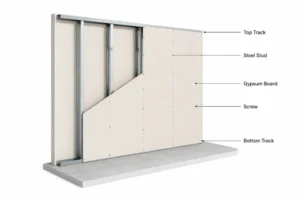
Workers build drywall partitions much faster than brick walls. Electricians run wires straight through gaps in the metal framing.
- Fast Setup: Speeds up work and lowers labor costs.
- Easy Changes: Lets owners change floor plans with simple tools.
- Lightweight: Lowers the total load on concrete floor slabs.
- Smooth Finish: Leaves clean surfaces ready for paint.
Safety and Sound Control
Modern drywall layouts meet high safety standards for heat and noise control between rooms.
- Fire Barriers: Blocks flame paths to give people time to leave the building safely.
- Sound Shielding: Wall setups with insulation block sound between neighbor units.
- Heat Control: Keeps indoor air cool to lower air conditioning bills.
Conclusion
Picking the right interior panels helps you build safer spaces across the region. Matching board traits to room needs ensures your project meets safety codes and lasts long. Working with top suppliers gives you quality goods on time.
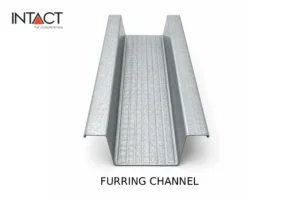
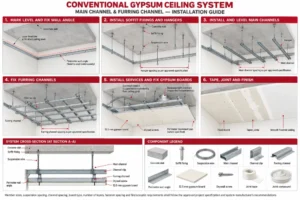
Intact brings a complete interior wall system to the UAE market. The brand offers different types of Gypsum Board along with matching studs, channels, screws, tapes, and joint compounds for all build needs.
FAQs
What are the primary types of gypsum board used in builds?
The primary Types of Gypsum Board include regular boards for dry rooms, damp-resistant boards, fire safety boards, and waterproof cement boards.
What are common gypsum board uses in modern sites?
Main gypsum board uses include building room partitions, false ceilings, lift shaft walls, and sound-blocking wall linings.
How do I compare different gypsum board types for my project?
Review gypsum board types by room environment: use regular boards for dry rooms, damp boards for bath areas, and fire boards for exit paths.
How do fire boards protect buildings during an emergency?
Fire boards contain glass fibers that hold the sheet together. The core releases trapped moisture to slow down rising heat.
Why use damp-resistant boards in kitchens and baths?
Damp boards feature water-repellent cores and liners. These layers stop mold growth and keep tiles attached to wet walls.